$12.95 150 pp ISBN 978-1-57951-089-3 Buy from Amazon Kindle |
Managing Yourself for
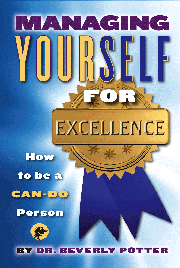
Excellence How to Become a Can-Do Person Dr. Beverly Potter We spent years in school where all of our time and everything we did was structured for us. This structure-by-others prepared us for the old workplace where work was routine and tasks were largely determined by the boss. But work in today’s workplace, we so-called “knowledge workers”, which is just about anyone who works with a computer, must structure our own work. Creating structure involves—defining purpose, setting goals—and then getting started. Ability to create structure is a new must-have career skill. When you can create structure you can work independently—and creatively. The first challenge is to get yourself moving—to get started. After you get yourself into motion, you must keep yourself moving to get where you want to go, which means managing your motivation—a kind of internal engine that moves you. How do you motivate yourself? By striving for positives? Or by avoiding negatives? Unwittingly, we often use punitive methods to get ourselves moving. When you berate yourself to get started, you are using fear and avoidance to get yourself moving. MANAGING YOURSELF FOR EXCELLENCE shows how to get things done without so much struggle by focusing on half-fullness—on what you are doing that is working—however small. We all know that we get more work out of someone when we reward them. The same holds for ourselves. Excellent self-managers are generous with themselves. Ability to self-reward increases personal power because you are less dependent on others for a motivational booster.  Excellent self-managers seek excellence, which may seem like a “no brainer”., but too often perfectionism is mistaken for excellence. Perfectionists are among the poorest self-managers—and the most miserable. Contrary to popular opinion, perfectionists are not superior performers. In fact, overall their track record often falls short because they set unrealistic criteria for success and then use punitive method to get themselves to perform. These days we have more work to do than ever before. While computers promised to lighten our work burden, because we can get more done, we are expected to accomplish ever more. There’s no end in sight. MANAGING YOURSELF FOR EXCELLENCE tells how to leverage to work smarter, rather than harder. |
Back to Useful Information
Back to Docpotter's Books